












Short answer
There is no reliable universal duration for cavity insulation extraction: the material, wall layout, access and condition of the building all matter. Ask for a surveyed programme that distinguishes time on site from drying, repairs and any later insulation work.
Why an inspection comes before a timetable
A contractor cannot responsibly calculate the programme from the number of bedrooms alone. Two houses with similar floor areas may have very different wall areas, extensions, cavity barriers and access restrictions. The survey should identify which elevations contain insulation, whether materials differ between original walls and additions, and where extraction equipment can operate safely.
Explain whether you need the work to fit around tenants, a house sale, school routines or another contractor. These constraints belong in the planning conversation, not in a last-minute request on the morning of work. Ask for the expected attendance period, the assumptions behind it and the circumstances that could trigger a revised completion date.
Material type changes the removal method
Loose material and material that has bonded together do not behave in the same way. Some insulation can be loosened and collected relatively readily; compacted, wet or bonded material may need a different approach. Foam should not be priced or scheduled as if it were loose mineral wool without first establishing its condition and the proposed removal method.
A camera inspection can help identify the material and its distribution, but it only shows the areas actually examined. If concealed obstructions are discovered during extraction, the programme may need revision. Ask the contractor to explain how extra opening-up would be agreed, how the walls would be protected and how additional time or charges would be authorised.
Wall area, layout and obstructions
An uncomplicated rectangular wall is different from an elevation broken up by bays, conservatories, garages and numerous openings. Insulation may sit in separate compartments rather than one continuous space. Cavity trays, wall ties, fire barriers and alterations can affect where material travels and which areas need separate attention.
The quotation should identify the intended scope clearly, including extensions and awkward sections. A full extraction and a limited investigation are not interchangeable services. If one elevation is excluded, ask why, what evidence supports that decision and whether material could remain connected to the affected area. A shorter programme is not a benefit if it simply leaves the difficult parts unaddressed.
Access, neighbours and weather
Access arrangements can take longer to organise than the removal itself. A narrow passage, shared driveway or rear elevation above a conservatory may require a specific working platform or agreement with another owner. Confirm these requirements before booking a fixed date, particularly where parking or equipment placement affects neighbours.
Weather can also change the safe sequence of work, especially where elevated access or making good is involved. A responsible programme allows for unsuitable conditions rather than requiring operatives to work unsafely to meet a promise. Ask who will contact you if the visit changes, whether temporary protection is necessary and how exposed openings will be left secure if work pauses.
What happens during the extraction visit
Before work starts, agree the areas to be protected, the location of equipment and the route for removing collected material. External extraction can reduce internal disruption, but it still involves machinery, noise and activity around the walls. Ask whether any internal access is needed, rather than assuming every room can remain locked throughout.
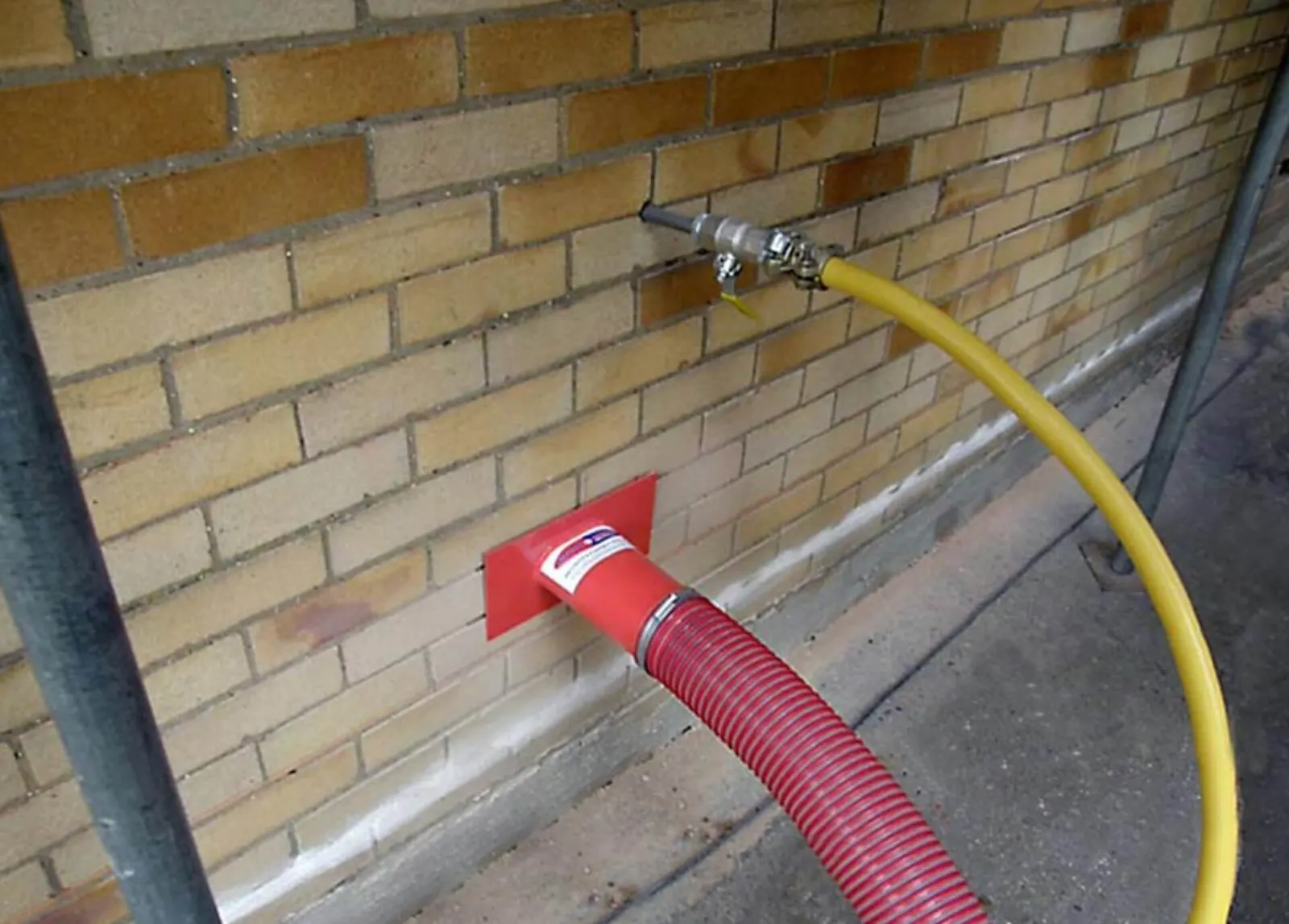
The working sequence normally involves suitable access openings, controlled removal and collection, followed by checks and making good appropriate to the scope. The precise equipment and pattern of openings depend on the wall and material. Keep children and pets away from the working zone, and agree a contact person who can approve genuine changes without delaying the team unnecessarily.
Clearance checks are part of the job
The end of material flow is not, on its own, proof that a cavity is clear. Ask how the contractor will inspect representative areas, difficult corners and the base of walls, and what limitations will be recorded. Photographs or camera images are useful when they are labelled with the location and date rather than supplied as an unexplained collection.
Allow time for these checks in the programme. Any material that cannot safely be removed should be identified, with an explanation of the implications and next steps. Making good also deserves attention: ask what finish is included, whether colour matching is approximate and which separate repairs remain your responsibility.
Drying time is not extraction time
Removing insulation does not instantly dry wet masonry, plaster or timber. Drying depends on the amount of retained moisture, wall thickness, weather, heating, ventilation and whether the source of water has genuinely been stopped. A wall that continues receiving water from a leaking gutter will not recover simply because the cavity has been emptied.
Avoid agreeing a decorating date based only on the extraction date. Discuss how drying will be monitored and what evidence is needed before plaster repairs, finishes or further insulation. Surface appearance and a single handheld meter reading do not describe the whole wall. If a dehumidifier is suggested, ask what it is intended to achieve and how progress will be assessed.
Coordinate other work without rushing the sequence
Roofing, pointing, plumbing repairs and ventilation work may need to happen before or alongside extraction. The sequence depends on the diagnosis. For example, stopping rain entering through a defective roof detail may be urgent, while final redecoration should normally wait until the underlying problem is controlled and the substrate is ready.
If refilling is proposed, treat it as a separate suitability decision rather than an automatic final stage. An original exposure or construction problem may remain after removal. Ask for a programme with decision points: investigation completed, water source addressed, extraction checked and future thermal measures agreed. This is more useful than one finish date that hides unresolved dependencies.
When to call a professional
Arrange a professional inspection where damp follows rainfall, insulation is suspected to be wet or incomplete, or a surveyor has raised a cavity-related concern. Seek prompt help for recurring mould, especially where occupants have respiratory conditions or other vulnerabilities. Do not wait for a planned insulation visit if water is entering near electrical fittings or a ceiling appears unsafe.
Do not drill exploratory holes, disturb unknown foam or try to vacuum out the cavity yourself. There may be concealed services, hazardous materials or building details that need specialist handling. A competent assessment should consider alternative causes as well as insulation and explain whether an independent building survey or another trade is required before an extraction decision.
Book a free survey and quote
Speak to SmartStone Energy Solutions Ltd about a free survey and quote for your property. Call 0800 0239 272 or WhatsApp 07519 147254, Monday to Friday, 9am to 5pm. Share the property postcode, your main concerns and any useful photographs so the conversation starts with the right information. A quotation should describe the proposed work rather than promise that every moisture problem will disappear.
SmartStone covers Shropshire and North Wales and is based at Unit 5 Weston House, Mill Weston Rd, Oswestry SY10 9ES. The business has 25+ years experience, is TrustMark registered and is an NIA member. Ask how PAS 2035:2023 applies to the proposed retrofit work and what assessment, evidence and handover information your particular project needs.
Request a free survey and quote or call 0800 0239 272.
Frequently asked questions
Can the contractor promise completion from photographs?
Photographs can support an initial discussion, but they cannot establish hidden cavity conditions. Treat a photo-based timetable as provisional until material, access and scope have been assessed.
Do I have to move out?
That depends on the work, the household and any associated hazards. Discuss noise, access, dust controls and health needs beforehand; do not assume either that moving out is necessary or that staying is always suitable.
Will rain delay the work?
It can, particularly where safe access, exposed openings or mortar repairs are affected. Ask how weather-related changes will be communicated and what temporary protection is included.
Does extraction include drying and decorating?
Only if the written scope says so. Extraction, monitoring, plaster repairs and decoration are distinct tasks, and their timing depends on the condition of the building.
What should I receive at handover?
Ask for the agreed scope, relevant photographs, recorded limitations, waste information where applicable and advice on repairs and monitoring. Keep these with the original insulation paperwork for future surveys or guarantee enquiries.