












Short answer
An extraction contractor inspects the wall, creates suitable access points and uses equipment appropriate to the insulation to remove it. The cavity then needs checking, the access points need making good, and any underlying water entry or ventilation problems need their own repair plan.
1. Establish whether removal is the right treatment
The first question is why the wall is causing concern. Damp patches, cold rooms and mould can justify investigation, but they do not prove that insulation has failed. Leaking gutters, damaged pointing, plumbing leaks and condensation may produce similar symptoms. Removing sound insulation without addressing those issues can leave the home colder without solving the original problem.
A useful assessment considers the building as a whole: construction, alterations, exposure, heating, ventilation and the history of symptoms. Explain whether marks follow driving rain, appear mainly in winter or persist beside a particular pipe. If insulation is implicated, ask what evidence supports that conclusion and whether repairs without extraction have been considered. Where findings conflict, an independent building survey can help you choose a proportionate response.
Recognising possible failure · Damp and condensation diagnosis
2. Inspect the cavity and identify the material
A borescope is a small inspection camera introduced through a suitable opening. It can help identify insulation, visible moisture, debris and accessible parts of the cavity. Inspection should cover representative locations rather than rely on a single photograph. Different elevations, window openings and extensions may have different construction or insulation histories.
Beads, mineral fibre and foam do not necessarily respond to the same removal technique. Bonding, moisture, cavity width and obstructions all affect the proposed approach. Some materials or wall arrangements may need more intrusive access, and complete removal may be difficult in concealed areas. Ask the surveyor to record what was seen, where it was seen and what remains uncertain. A camera view is useful evidence, not a guarantee that every hidden part of the wall has been assessed.
3. Check guarantees before authorising disturbance
Look for the installation invoice, guarantee certificate, original survey and any later repair records. If a guarantee might apply, report the concern before authorising extraction. The provider may need to inspect the insulation in place and agree the remedy. Paying privately first can complicate both evidence and recovery of costs.
CIGA states that its guarantee is not valid if insulation has been altered or disturbed. It also sets notification requirements, so do not treat the headline guarantee period as permission to delay reporting a problem. Ask the provider for written instructions specific to your property. Urgent safety work should not be postponed, but record the condition and tell the provider what is happening as soon as practicable. Reference: CIGA, The CIGA Guarantee, https://ciga.co.uk/the-ciga-guarantee/.
4. Agree access, protection and the written scope
Before work starts, agree which walls are included, where equipment will stand and how the contractor will reach upper areas. Conservatories, narrow passages, boundary walls and neighbouring property can affect access. Any scaffolding or access equipment should be identified in the quotation, together with permissions and responsibilities. Do not assume that a contractor can enter a neighbour’s land without agreement.
Discuss dust and noise, vehicles, garden protection, pets and working arrangements. The scope should explain the proposed extraction method, how waste will be contained, what making good includes and what happens if hidden defects are discovered. Ask how vents, service entries and any relevant flues will be protected or checked. If suspect hazardous materials or structural defects are identified, specialist assessment may be needed before extraction proceeds.
5. Remove insulation using a material-specific method
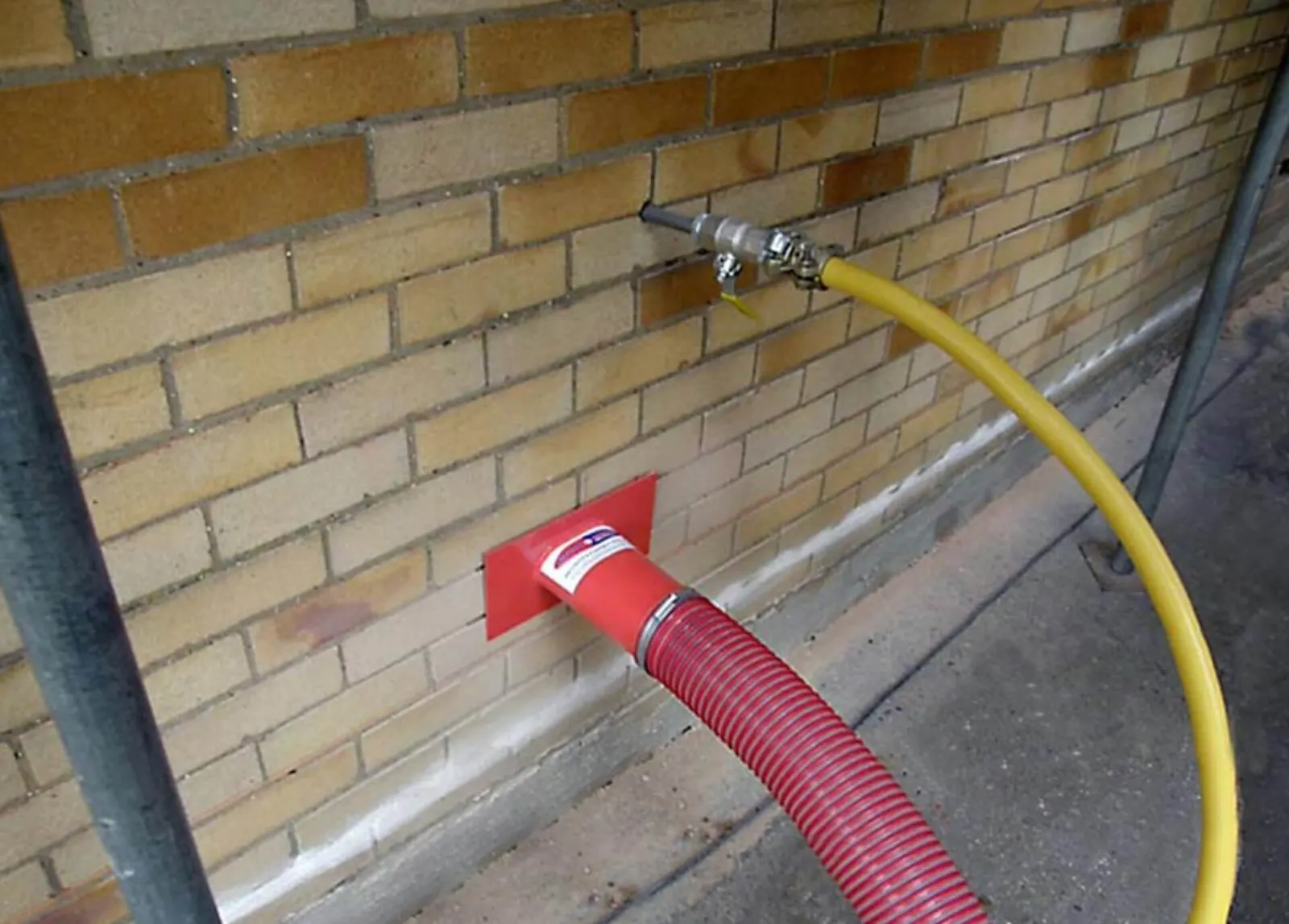
For suitable loose-fill systems, extraction commonly combines controlled loosening with specialist vacuum equipment. Access holes are formed in appropriate positions, and material is directed towards collection points. The sequence depends on wall geometry, insulation type and the condition found during the survey. It is not simply a matter of attaching a vacuum to one hole.
Bonded material, wet clumps and obstructions can require a different approach. Selected bricks may need removal to reach difficult pockets or accumulated debris. The contractor should explain that possibility before work begins and seek agreement for significant variations. Ask how they will avoid damaging masonry, ties, cavity barriers and services. Extraction is not an appropriate DIY experiment: uncontrolled drilling or compressed air can damage the building, spread material and leave the cavity incompletely cleared.
6. Distinguish extraction from cavity clearance
Taking out insulation does not automatically remove mortar droppings, rubble or other obstructions at the base of the cavity. Debris can form a bridge across the gap or interfere with drainage, so the survey should consider whether separate clearance is needed. The quotation should say whether that work is included and how it will be verified.
Post-extraction checks should revisit relevant areas and investigate places where material may remain. Ask for photographs or inspection notes, including any access limitations. No inspection should be presented as proof of inaccessible areas that were not actually seen. If complete clearance cannot be demonstrated, the contractor should explain the limitation and propose a proportionate next step. Unexpected cavity barriers or unusual construction should trigger reassessment rather than indiscriminate removal of building components.
7. Make good and plan drying, repairs and refill
After checks, access openings need suitable making good. Agree what mortar matching means in practice, particularly on older or weathered brickwork. Where bricks have been removed, the scope should address reinstatement. Keep a photographic record of the finished elevations and retain the invoice, survey findings and completion information for future maintenance or a property sale.
Wet masonry does not necessarily dry immediately after insulation is removed. Drying depends on moisture levels, weather, ventilation, heating and whether the water source has been stopped. Repointing, gutter repairs or other work may still be necessary. Refill is a separate decision that depends on the repaired wall’s suitability and exposure. Do not assume immediate replacement is appropriate, or that every cavity should stay permanently empty.
When to call a professional
Arrange professional assessment when damp recurs after rain, internal finishes deteriorate, rooms remain persistently cold or a property survey flags possible cavity defects. An experienced assessor should explain the likely causes and the limits of the investigation. Where insulation is not clearly responsible, broader damp diagnosis may be more useful than an extraction-only visit.
Seek urgent help for water near electrical fittings, loose or bulging masonry, significant cracking or concerns about a combustion appliance. Do not enter an unsafe area or block air vents while waiting. If anyone has health symptoms associated with damp or mould, seek medical advice alongside arranging building repairs. Tenants should report problems promptly in writing to their landlord and preserve photographs and correspondence, rather than commission invasive work without permission.
Residential insulation advice · Local extraction in Oswestry
Arrange a free survey and quote
If you need help with suspected failed cavity insulation or the extraction process, contact SmartStone Energy Solutions Ltd to arrange a free survey and quote in Shropshire or North Wales. Explain what you have noticed, when it started and whether you have installation or guarantee paperwork. A useful starting point is your postcode, photographs of the affected walls and details of any earlier repairs. Please do not drill inspection holes or disturb insulation before a guarantee provider has explained its requirements.
Call 0800 0239 272 or WhatsApp 07519 147254, Monday to Friday, 9am to 5pm. SmartStone is based at Unit 5 Weston House, Mill Weston Rd, Oswestry SY10 9ES. Ask for the proposed investigation, recommended work and exclusions to be explained before you decide. A survey request is not confirmation that extraction is necessary, that funding is available or that an existing guarantee will meet the cost.
Request a free survey and quote or call 0800 0239 272.
Frequently asked questions
Will all the work be outside?
Much extraction work may be carried out from outside, but access depends on the wall, material and defects. Ask whether internal access, selected brick removal or work around an extension is expected. The written scope should identify foreseeable disruption and explain how discoveries will be handled.
How long does removal take?
Duration varies with the area, insulation type, access, moisture and clearance required. Ask for a programme based on the inspection rather than a universal completion promise. Separate active extraction time from drying, masonry repairs and any later decision about replacement insulation.
Will extraction cure damp?
Only if the insulation is a cause and the relevant defects are addressed. Water entry, leaks, debris bridges and condensation may require separate treatment. Agree how improvement will be assessed and what further investigation is proposed if damp persists after the repair and drying period.
Can new insulation go straight back in?
Not automatically. The wall needs assessment for moisture, defects, exposure and suitability before refill is considered. Ask for a separate recommendation explaining whether repairs and drying are required and why the proposed insulation system is appropriate for that particular cavity.