












Short answer
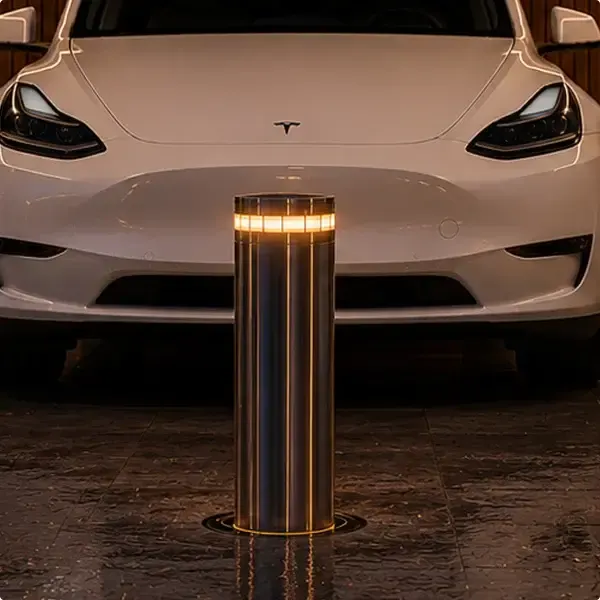
Battery-operated security bollards can control vehicle access without a mains power cable to the bollard. They still need suitable installation, foundations and an operating plan; do not assume a theft deterrent is an impact-rated hostile vehicle barrier.
Define the problem before selecting a bollard
A homeowner protecting a parked vehicle has different priorities from a business managing deliveries or protecting a pedestrian area. Start by identifying the route vehicles could take, what needs protecting and who needs legitimate access. A visible barrier may discourage opportunistic movement, but no product should be presented as making theft impossible.
Consider other measures alongside the bollard, such as lighting, secure gates, vehicle security and sensible key storage. The right combination depends on the site and the threat. A bollard placed behind a car does little if there is an easy route around the side. For higher-risk commercial premises, a documented security assessment may be needed before choosing products. Avoid treating a domestic driveway arrangement as a substitute for specialist protection against deliberate vehicle attack.
What battery-operated means in practice
SmartStone’s security bollard service is for battery-operated products. The practical attraction is avoiding a mains cable route across the driveway to power the bollard. That does not mean every aspect of installation is free of excavation or building work. The body, anchorage, drainage and surface reinstatement still need consideration for the selected model.
Ask how the proposed unit raises and lowers, how it locks in each position and what its controls require. Battery-operated products do not all have identical mechanisms. Confirm whether charging involves removing a battery or connecting a charger, and what accessories are included. Do not assume remote operation, automatic obstruction detection, solar charging or a particular number of operating cycles unless the manufacturer’s documentation for that exact product confirms those features.
Theft deterrence is not the same as impact protection
Appearance and weight are not evidence of a vehicle impact rating. If a supplier claims a tested performance, request the exact product identification, test evidence and relevant installation requirements. A rating belongs to a defined tested configuration, not every bollard sold under a similar description. Battery power by itself says nothing about impact resistance.
The National Protective Security Authority’s vehicle security barrier guidance explains why foundations and installation conditions matter when considering tested barriers. Do not describe an ordinary parking bollard as crash-rated, anti-ram or suitable for hostile vehicle mitigation without appropriate evidence and design advice. Verified source reference: NPSA, Vehicle Security Barrier Foundation Guidance, https://www.npsa.gov.uk/specialised-guidance/hostile-vehicle-mitigation-hvm/vsb-foundation-guidance. For a site facing deliberate vehicle attack risks, obtain specialist assessment rather than relying on general driveway product advice.
Position the barrier around the real vehicle route
Survey the driveway with the vehicles that normally use it. Turning circles, door opening, overhangs and changes in slope can affect the practical location. A bollard must provide useful obstruction in the raised position without becoming a nuisance when lowered. Think about visitors and unfamiliar drivers as well as the person who parks there every day.
Check possible bypass routes across gravel, verges or adjacent land. Several bollards may be needed for a wider opening, but spacing should follow a considered layout, not guesswork. Preserve safe pedestrian access, including for wheelchair users and people with pushchairs. At a business, consider deliveries, refuse collection and emergency access. Marking a proposed layout on the ground can reveal problems before excavation, particularly where gates, carports or tight parking spaces already limit movement.
Ground conditions, services and drainage
A neat finished driveway can conceal shallow utilities, drains and changes in the underlying ground. The survey should consider service locations before excavation and identify whether the proposed foundation is appropriate. Block paving, tarmac, concrete and loose surfaces need different reinstatement details. Ask who is responsible for making the finished surface level and weather resistant.
Drainage matters, especially for a product with components below ground. Water, silt and debris can affect operation if the installation does not address the manufacturer’s requirements. A site that floods or holds standing water needs particular attention. Do not assume that a waterproof component removes the need for drainage design. Ask what checks will be made, what could require a revised position and how unforeseen ground conditions would affect the scope before installation begins.
Battery care, charging and failure planning
Battery life between charges depends on the particular product, use pattern, temperature and battery condition. Ask for the manufacturer’s stated assumptions and a practical explanation of what happens when charge is low. Avoid planning around a generic promise of months of operation without understanding how frequently the bollard will be used.
Agree who will check charge, where charging will happen and whether a spare battery is recommended or supported. Use the specified charger and follow storage instructions. Most importantly, understand the approved manual or emergency procedure before you need it. Establish what happens if the unit cannot be raised or lowered, and keep any release equipment secure but accessible to authorised people. A business should not depend on one employee being present to make an essential access route usable.
Permissions, ownership and everyday safety
Confirm that the proposed position is on land where you have the right to install and operate a barrier. Shared driveways, leased parking and access easements need particular care. Obtain the relevant owner or managing agent approvals where required. If an installation could affect a pavement, highway or shared access, seek appropriate advice before work starts.
Visibility, lighting and surface finish matter for pedestrians and drivers. Discuss how the raised and lowered positions will be apparent in poor weather or darkness. Any operating controls should suit the authorised users without encouraging unsafe shortcuts. At commercial premises, incorporate the bollard into the site’s access and safety arrangements. Do not obstruct required escape or emergency routes. The correct solution balances security with predictable, safe use rather than maximising obstruction without considering its consequences.
Compare quotations and maintenance requirements
A useful quotation should identify the exact model, number of units, operating method, foundation work, drainage provision and reinstatement. Ask whether controls, batteries, chargers and handover are included. Clarify any assumptions about ground conditions and what happens if buried services prevent installation at the preferred position. A lower equipment price may not represent a lower complete installation cost.
Maintenance should follow the manufacturer’s instructions. Ask about keeping mechanisms clear, inspecting the surface and managing water or debris. Establish warranty terms and who handles faults, without assuming a particular warranty duration. Record the product information and operating instructions for future owners or staff. If an insurer requires a specific security measure, obtain their written acceptance of the proposed product and layout before proceeding. Never assume that any bollard automatically changes insurance cover or premiums.
When to call a professional
Arrange a survey before buying a product where ground conditions, drainage, utilities or access rights are uncertain. Professional advice is especially important on steep driveways, shared entrances and busy commercial sites. If a threat assessment involves vehicle impact or public protection, seek a suitably experienced security specialist and an engineered solution where required.
For an existing bollard, stop using it and seek assistance if it is loose, damaged, difficult to operate or unreliable. Do not modify anchors, bypass safety arrangements or improvise a battery connection. After a vehicle strike, a barrier that looks upright may still have hidden damage to its body or foundation. Protect the area if it creates a hazard and arrange inspection. Keeping a defective bollard in service can compromise both access and the protection you expect it to provide.
Book a free survey and quote
Speak to SmartStone Energy Solutions Ltd about a free survey and quote in Shropshire or North Wales. Call 0800 0239 272 or WhatsApp 07519 147254, Monday to Friday, 9am to 5pm. Send your postcode, photographs and a short description of the property or problem so the conversation starts with useful information.
SmartStone is based at Unit 5 Weston House, Mill Weston Rd, Oswestry SY10 9ES. Ask for the recommended scope, any further investigations and the exclusions to be explained before deciding. A survey is an opportunity to establish what suits the property, not a reason to commit to equipment or remedial work before the evidence is clear.
Request a free survey and quote or call 0800 0239 272.
Frequently asked questions
Do battery bollards need any groundworks?
They may. Avoiding a mains cable does not remove the need for the model’s specified foundations, anchorage, drainage and surface work.
Are all security bollards crash-rated?
No. Request evidence for the exact product and installation if impact performance matters. Do not infer a rating from appearance or battery operation.
How often will the battery need charging?
It varies with the product, use, conditions and battery health. Ask for the manufacturer’s guidance and an operating plan suited to your site.
Can a bollard be fitted on a shared driveway?
Only after ownership, access rights, permissions and safe use have been resolved. A barrier must not unlawfully prevent another person using their access.
Will it stop every vehicle theft?
No security measure can promise that. A correctly selected and positioned bollard can form part of a layered security approach, but bypass routes and operating habits still matter.